
A storied neighborhood
BOHO, or more officially Boulevard Heights, is a neighborhood normally overlooked, when talking about Atlanta history, by its surrounding neighbors (Grant Park, Ormewood Park, and EAV). But to overlook Boulevard Heights would be to overlook a true hidden Gem of Atlanta.

1850s
The Founder
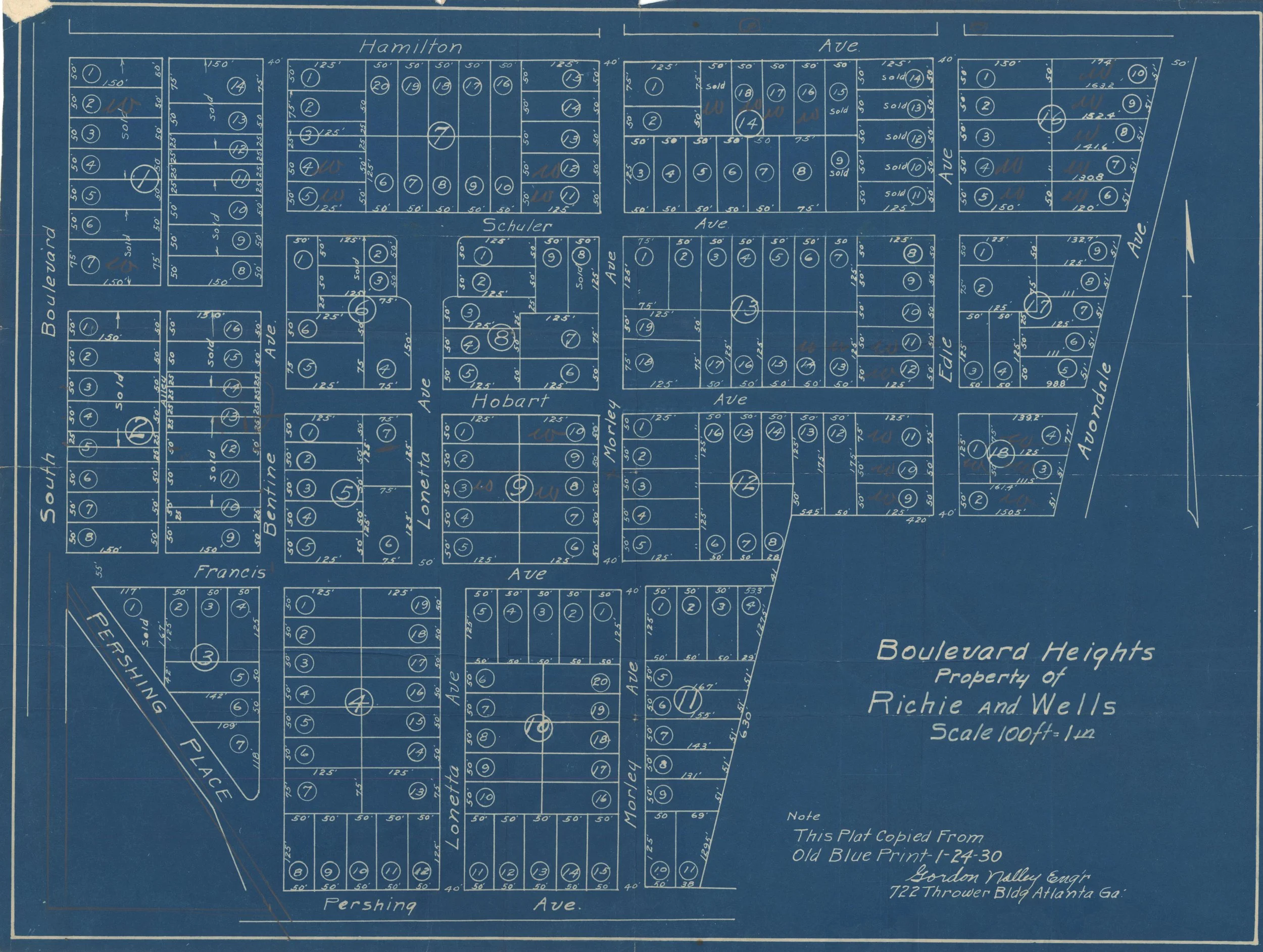
Boulevard Heights’ story begins with William P. Robinson, an Englishman who came to Atlanta in the 1840s and remained here until his death in 1903. Robinson was a farmer, but farming hardly describes the extent of what he was doing. He operated a large fruit nursery and became one of Atlanta’s leading authorities on horticulture, serving as president of the city’s Pomological Society for roughly thirty years. His particular interest appears to have been pears, including rare and newly developed varieties. His 100-acre estate was known as Downing Hill and occupied all of what would become Boulevard Heights, plus parts of South Grant Park (Robinson Street on both sides of Boulevard are named for him).
1860s
The Homestead
In the years after the Civil War, this was still very much the country. Just outside Atlanta’s city limits, the area east of Grant Park was a remarkably green corner of the developing city. The area was more than farmland, it was an intentional oasis and retreat comprised of 3 important tracts of land.
1870s
Working the Land
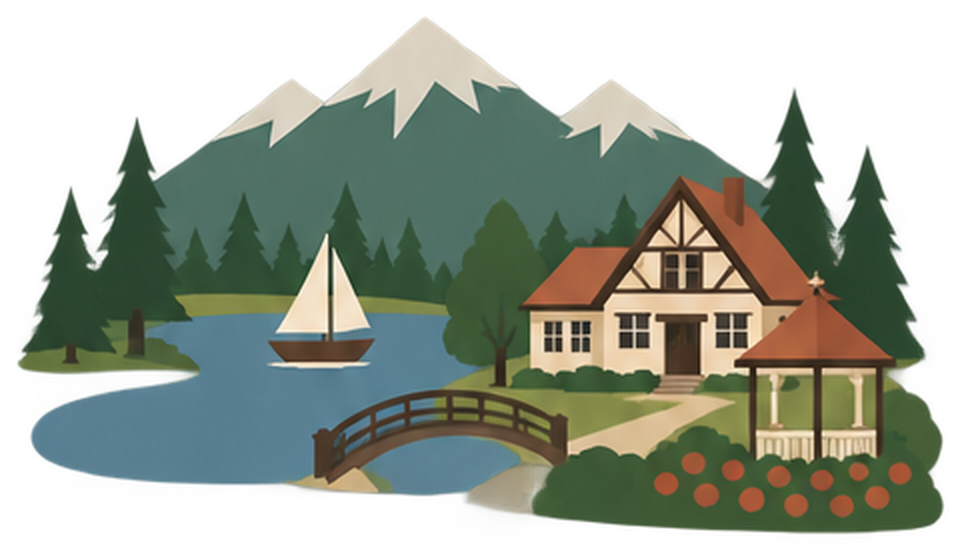
Robinson’s Downing Hill was just one part, while immediately to the north was the famous 20-acre nursery and farm of the Lambert family. North of the Lamberts, in the vicinity of what is now the Trestletree Apartments, was “Little Switzerland”, a popular resort designed to resemble an Alpine village. It featured flower gardens, a lake and a setting that offered Atlantans something increasingly difficult to find in the growing city: fresh air.
Edge of the City
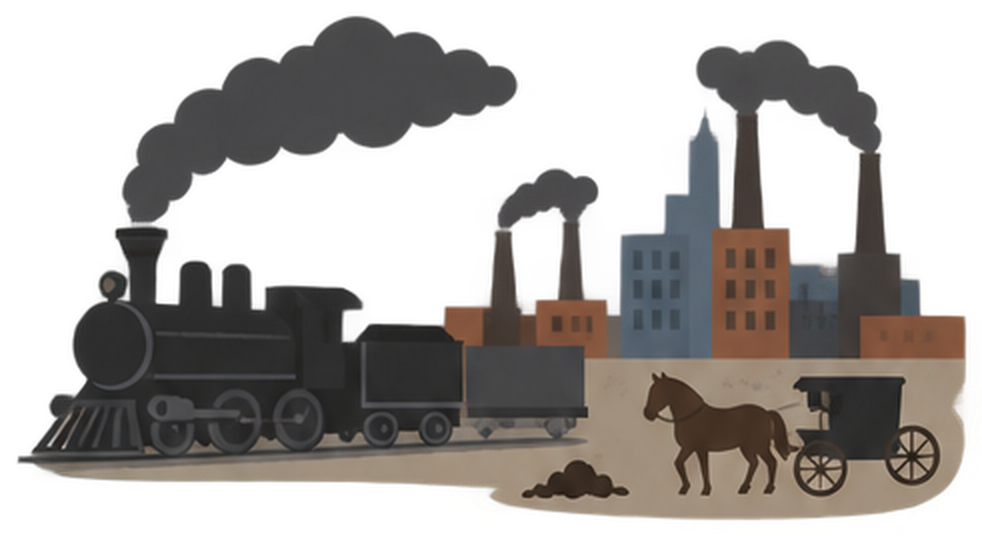
Fresh air was not simply a pleasant amenity in nineteenth-century Atlanta. It was considered a matter of health. The city was crowded with smoke from the hundreds of locomotives arriving each day, factories and foundries operated surprisingly close to homes, and horses—the primary means of transportation—left the streets covered in manure. For those who could afford it, getting out of the city was a way to escape the noise, smoke and filth.
1880s
Little Switzerland
Wealthier Atlantans maintained country weekend homes, while the middle class would visit places such as Little Switzerland. What would later become a residential neighborhood was, at the time, a rural retreat at the edge of Atlanta. The transformation began in the 1890s when the Lamberts sold their 20-acre nursery. Their elevated property overlooked Little Switzerland and was developed into a residential neighborhood. Together with Robinson’s land and the surrounding acreage, the area became known as Switzerland Heights. The name was fitting: the neighborhood sat above Little Switzerland and inherited much of its character as an elevated, green residential retreat on the edge of the city.
The early 1900’s
The Transformation
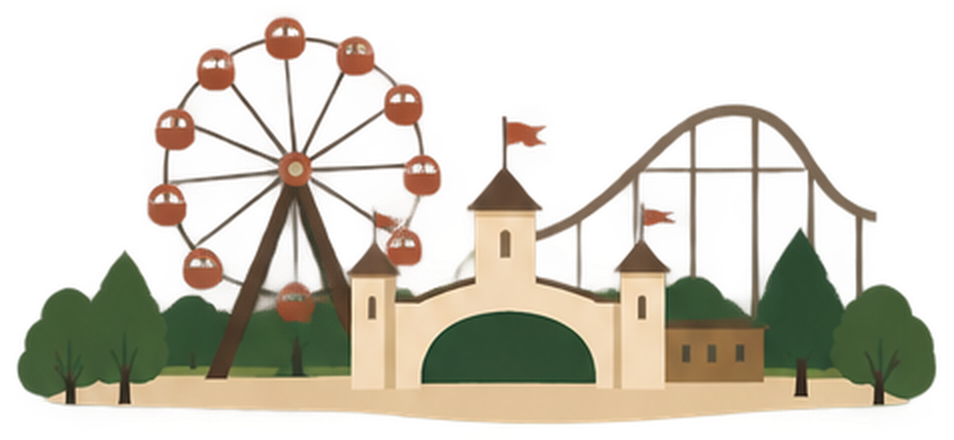
Little Switzerland eventually closed in the early twentieth century, but the land did not remain quiet for long. It was transformed into White City, an amusement park that became one of Atlanta’s popular recreational destinations. Meanwhile, Robinson’s Downing Hill Estate remained in the hands of his family after his death in 1903. For another two decades, the large tract remained largely undeveloped.

1920
The Deal
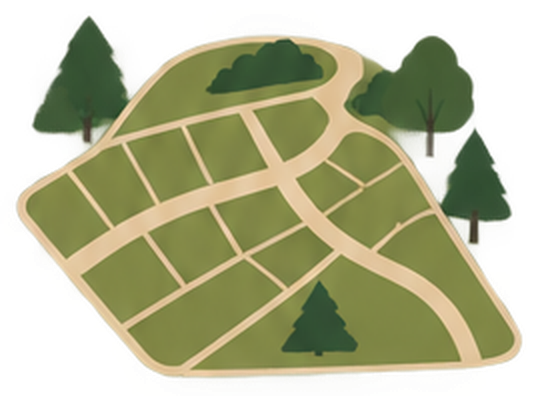
That changed in 1920. Robinson’s heirs sold the property to developers T J Ritchie and J S Wells, who saw in the old Downing Hill estate an opportunity to create a new residential subdivision. Over the next several years they divided and developed the property, laying out streets and selling homesites. The new neighborhood was given a new name: Boulevard Heights.
1920s–1940s
Platting the Land
Ritchie and Wells were doing business as “the Atlanta Company.” Not much is known about The Atlanta Company except that they developed one-off buildings and apartments around the city (namely in the Virginia Highland area) during the street car era of Atlanta.
Today
The Neighborhood
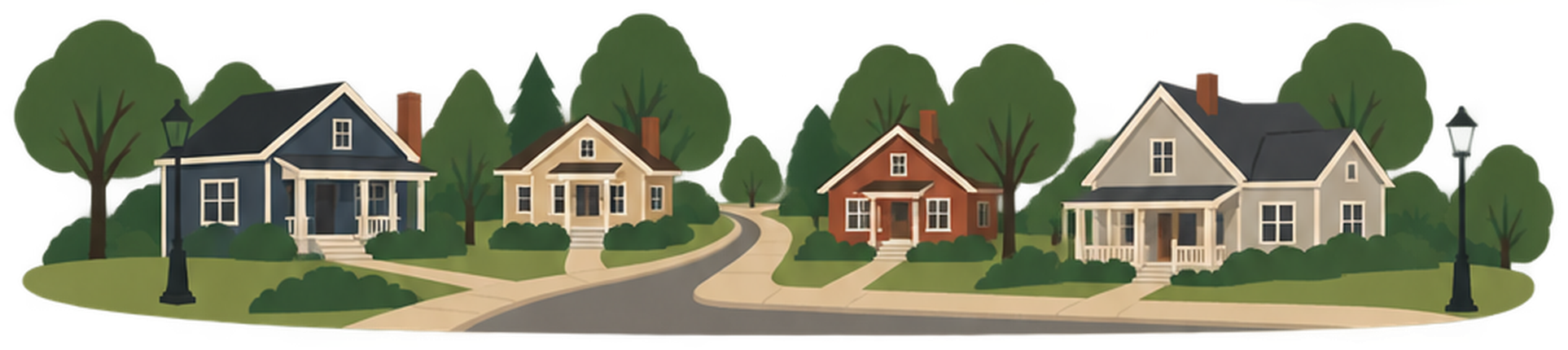
In the decades after World War II, Boulevard Heights continued to fill in with modest wood-sided cottages, followed by the brick ranch homes of the late 1950s and early 1960s that still shape much of the neighborhood today. In the early 1970s, the City of Atlanta formally established Boulevard Heights as a named neighborhood, but like much of southeast Atlanta, it saw little new construction through the 1970s and ’80s as residents and investment increasingly shifted toward the suburbs. That trajectory began changing dramatically with the arrival of the Atlanta BeltLine, Boulevard Crossing Park in 2011, and a new wave of homes and businesses, culminating in the completion of the Southeast and Southside trails in 2026 that connected Boulevard Heights more directly than ever to the neighborhoods surrounding it.
History of the sign
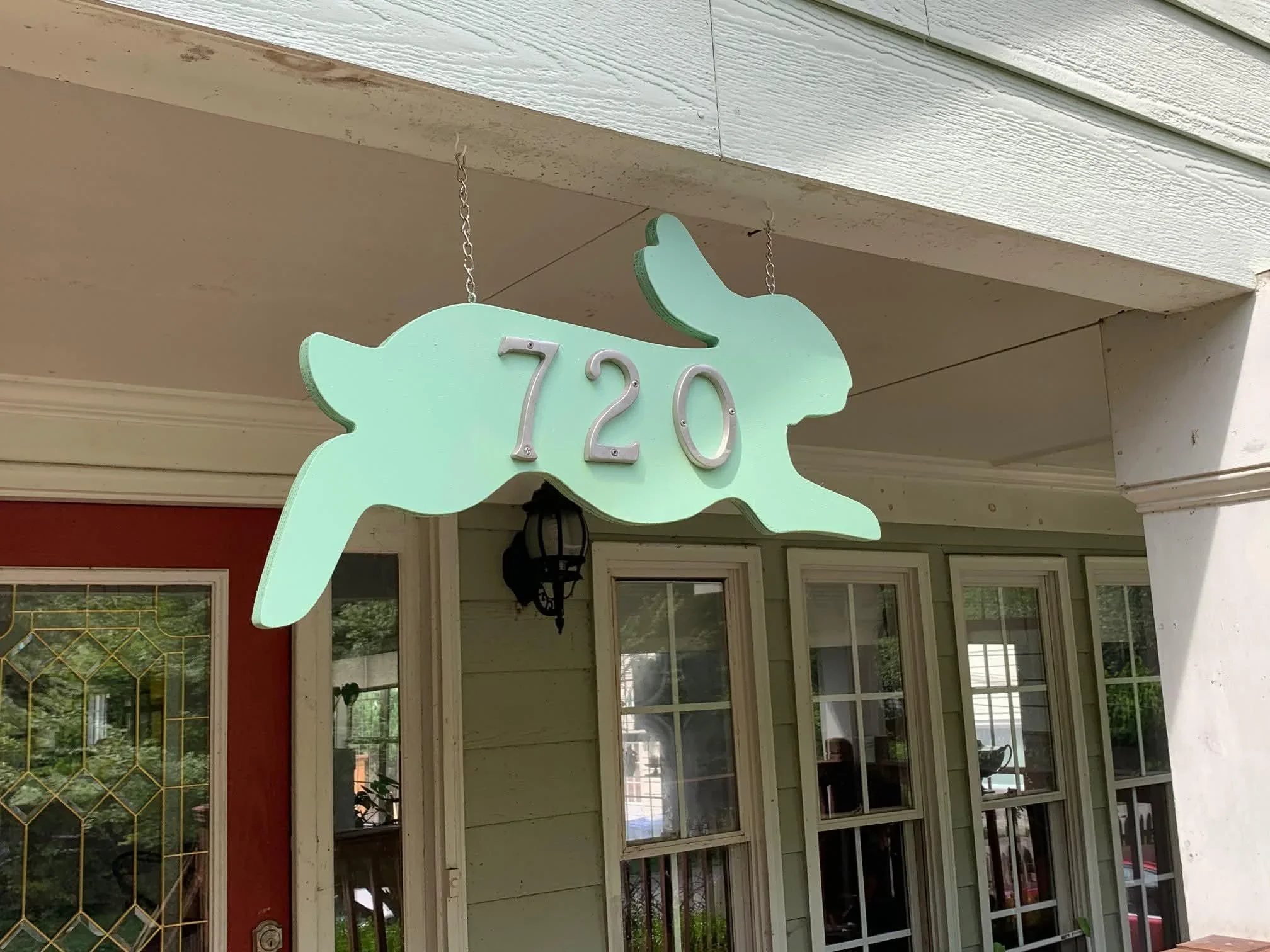
Fun fact! Atlanta is known for its individual neighborhood identity. Each Historic Neighborhood usually adopts a sign that hangs on your front porch, aknoowledging that you are a residnet and an active member in that community. The neighborhood sign for Boulevard Heights is a rabbit, which is in honor of a neighbor who was nicknamed “Rabbit.” He lived in BOHO for decades and ran the community garden.
From Little Switzerland